


29 July 2025
Lord Byron, born George Gordon Byron on January 22, 1788, was a British poet, politician, and one of the leading figures of the Romantic movement. He is renowned for his flamboyant lifestyle, poetic brilliance, and influential works that left a lasting impact on literature and culture.
Byron was born in London and inherited the title of Baron Byron at the age of 10, making him “Lord Byron.”. He studied at Harrow School and later at Cambridge, where he began to develop his literary talents.
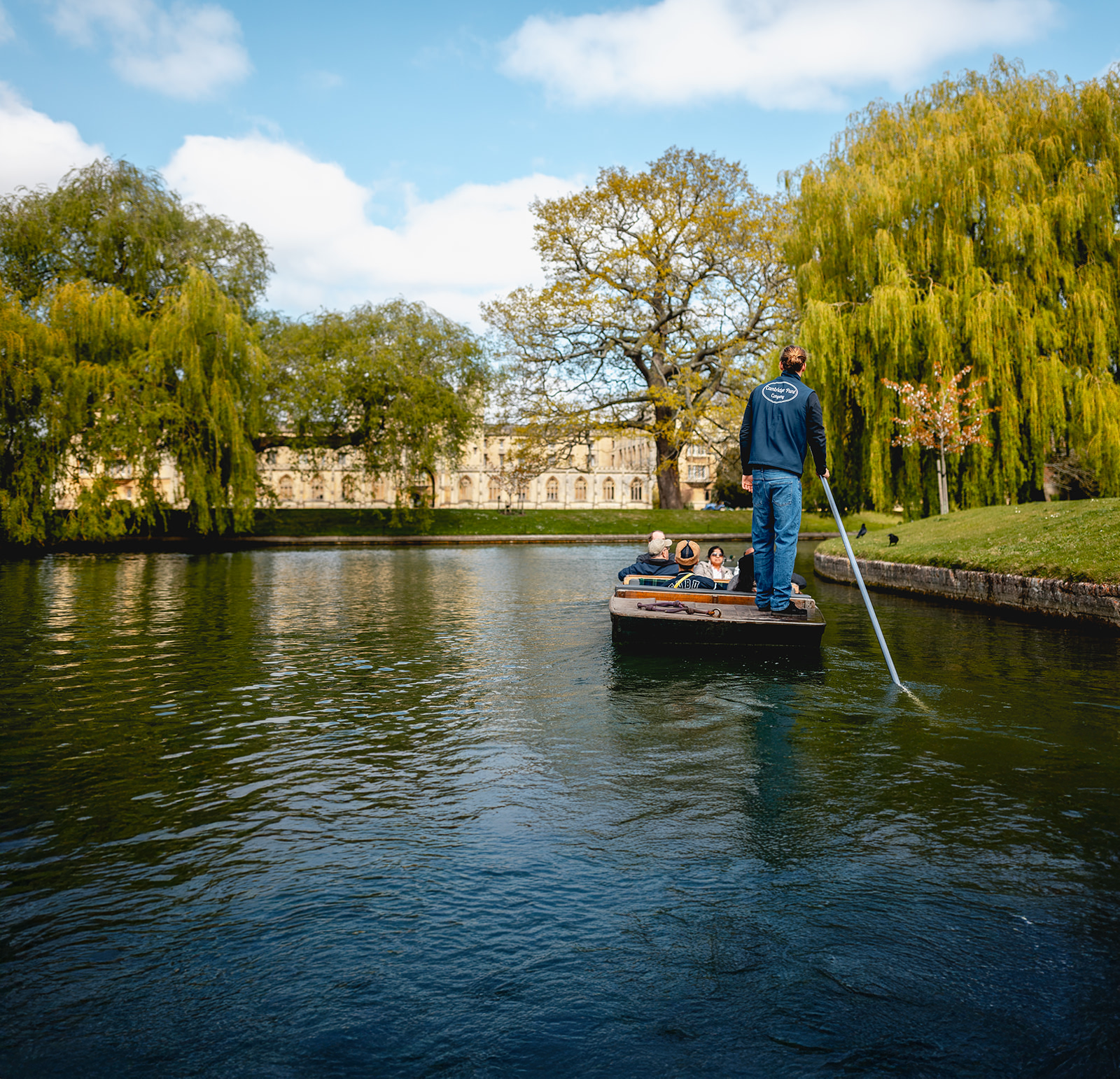
Lord Byron studied at Trinity College from 1805 to 1808. During his time there, he pursued a broad range of subjects, reflecting the flexible academic structure of the time.
Classics: Byron had a strong interest in classical literature and languages, studying Latin and Greek. This foundation influenced his later poetic works, which often referenced classical themes and mythology.
Literature and Poetry: While not formally part of the curriculum, Byron spent much of his time reading and writing poetry. He was deeply influenced by the works of earlier poets and began to develop his own distinctive style during his Cambridge years.
History and Philosophy: Byron also engaged with history and philosophy, subjects that informed his worldview and later political activism. His studies contributed to his critical perspective on society and governance.
Byron is best known for his narrative poems, including Childe Harold’s Pilgrimage and Don Juan, which showcase his wit, passion, and exploration of themes like love, freedom, and rebellion. His works often reflected his own turbulent life and emotions, earning him fame and notoriety across Europe.
Byron cultivated the image of the “Byronic hero”—a charismatic, brooding, and rebellious figure—which became a hallmark of Romantic literature. His personal life, marked by scandalous affairs and a self-imposed exile from England, further cemented his reputation as a larger-than-life figure.


